


Being | Wellness Centre | Float Sauna Massage
Float therapy in St Albans: everything you need to know
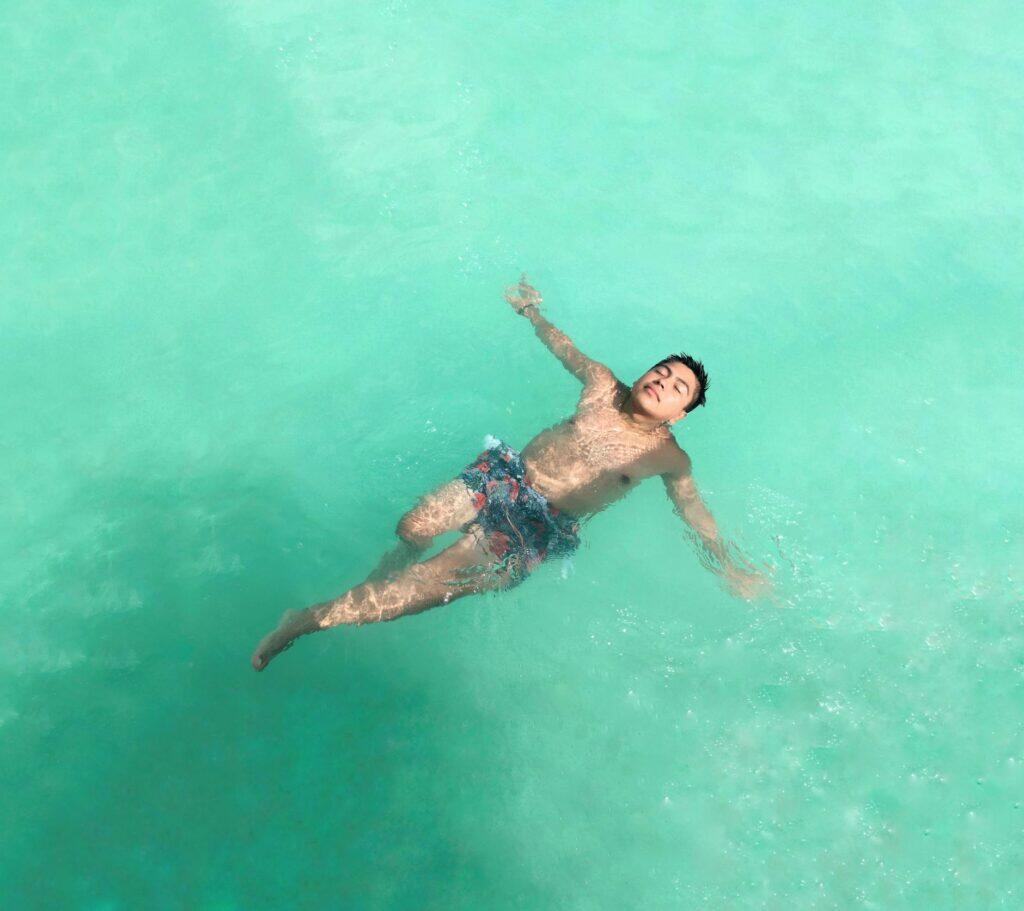
St Albans gets its first dedicated float centre
For years, anyone in St Albans wanting a proper float had to drive. Watford was the closest dedicated centre. North London if you wanted choice. Hertford if you wanted countryside. None of them were quick, and none of them were really yours.
That changes in summer 2026. being opens on Bricket Road as the first dedicated float centre in St Albans, and the first open pool float in the wider Hertfordshire area. If you’ve been curious about floating but the closest tank was a 35-minute drive each way, the equation has shifted.
This is the practical guide. What float is, where to go locally, and who’s actually using it.
What floatation therapy actually is
A pool of skin-temperature water saturated with around 500kg of Epsom salt. So dense you float on the surface without effort. The room is dark, the sound is minimal, the gravity is functionally cancelled. For 60 minutes, almost every external input your nervous system has to process is removed.
Most people come out describing the same thing. A quietness in the head they hadn’t felt in months. Often paired with the best sleep they’ve had in weeks.
The research base on float (or floatation-REST, to use the academic term) has matured significantly in the last decade, particularly out of the Laureate Institute for Brain Research in Tulsa. The strongest evidence sits with stress and anxiety reduction, with promising data on sleep, chronic pain and recovery. For the full evidence picture, we wrote a separate guide on what the float research actually shows.
The St Albans option: being‘s open pool float
being is at Francis Bacon House, Bricket Road, AL1 3TN. A few minutes’ walk from the city centre, ten from St Albans City station.
The float setup is the unusual bit. Most centres in the UK use pods — the enclosed capsules with a hinged lid. being uses an open pool. A private, fully-tiled room with a shallow pool built into the floor. You walk in, close the door behind you, shower, and lie back into the water. No lid, no enclosure, no climbing into a sealed shell. We wrote a dedicated guide to floatation therapy if you want the full background on how the format works.
The basics:
- 60-minute sessions in the water, with around 30 minutes of buffer either side
- Private room: your own shower, your own pool, your own everything
- Walk-in entry, no high lip to step over
- Lighting on a dimmer, fully under your control
- Salt density and water temperature identical to a pod (around 35°C, approximately 30% salt by saturation)
- Membership and pay-per-session pricing — see the float page for current rates
Why open pool matters in St Albans
St Albans is a commuter town with a particular profile. Lots of people doing high-stress London jobs while trying to live a calmer life on the train ride home. Sleep problems, anxiety, the slow grind of a nervous system that hasn’t properly switched off in months. The kind of audience that benefits most from float, and the kind that’s most often put off by pods.
Pods aren’t bad. But the lid coming down triggers something in a meaningful percentage of people, and that anxiety usually sinks the experience before it’s started. The very people who would most benefit are the ones who try a pod once, swear off floating, and never come back.
Open pool removes the variable. There’s no lid, no decision about whether to keep it open, no closed-in feeling. You can sit up. You can stand up. You can leave a low ambient glow on if total darkness feels wrong on day one.
For first-time floaters in particular, it’s the version that actually gives float a chance.
Getting to being
Address: Francis Bacon House, Bricket Road, St Albans AL1 3TN.
By train: 10 minutes’ walk from St Albans City station. Thameslink runs into St Pancras in around 25 minutes, so anyone coming up from London can be floating mid-morning.
By car: parking nearby on Bricket Road and the surrounding streets, plus the multi-storeys around the Maltings. M25 junction 21A is about 12 minutes away, A1(M) junction 1 around 15.
Walking: properly central. If you’re already in town for shopping, the cathedral, or lunch on Christopher Place, being is within easy reach.
A typical first float
People are nearly always nervous on session one. That’s normal — we wrote up exactly what to expect on a first float if you want the longer version.
You arrive about ten minutes early. Brief walk-through, herbal tea or water in the lounge if you want it, then through to your float room.
Shower thoroughly first. This is mandatory. It strips off oils, lotions and product residue so the water stays clean and chemistry-neutral.
Earplugs go in. You step into the pool, lie back, and let the salt take over. The water sits at skin temperature so the boundary between your body and the water effectively disappears. Lifting yourself out takes effort. Sinking is impossible.
The first ten minutes are usually the noisiest. The mind processes the strangeness, you fidget a little, you find a head and arm position that lets your shoulders drop. By minute fifteen or twenty, something usually shifts. The mental noise thins. Time stops behaving normally.
When the session ends, soft music or a gentle change in the lighting brings you back. Sit at the edge of the pool for a minute before standing — your inner ear has been resting in salt water for an hour and your balance can be slightly off.
Shower again, properly this time, to get the salt out of your hair. Then there’s water and a quiet space to sit before you head off. The 20 to 30 minutes after a float, what regulars call the afterglow, is its own thing. Take it.
Who in St Albans is floating, and why
A snapshot of who tends to book in:
Commuters into London using float as a Friday-evening or Saturday-morning reset. Coming back to a body and head that haven’t actually settled all week is the most common report.
Parkrun runners and amateur athletes for recovery. Spinal decompression, magnesium-rich water, and an hour without pressure on the joints — particularly useful in the back half of a marathon training block. We have a fuller guide to recovery for runners in St Albans if that’s you.
People with stress, anxiety and sleep issues, often using float alongside therapy, medication or other support. The evidence base for stress and anxiety reduction is the strongest in the field. It’s not a replacement for clinical care, but it’s a meaningful addition for many people.
Pregnant clients in the second and third trimester, with appropriate guidance. For many pregnant women, an hour floating is the only stretch where they can lie completely flat without back strain or pelvic discomfort.
Couples wanting a date that isn’t dinner-and-a-film. Floating in adjacent rooms, then coffee afterwards, has quietly become a thing. The post-float headspace is unusually conducive to a real conversation.
The recovery-curious, people who’ve seen athletes and founders talk about float on podcasts and want to find out for themselves.
Float as part of a wider St Albans wellness habit
A 60-minute float doesn’t sit in isolation for most regulars. The shape of a typical week often looks like:
- Yoga or pilates at one of the studios in town
- A long walk through Verulamium Park or up the Alban Way
- A float at being, often after the walk
- Lunch on Christopher Place or up Holywell Hill
- Sometimes a sauna or massage at being in the same visit
The local wellness scene is good for its size — we’ve written up the best wellness experiences in St Albans as a fuller guide. Float fills the gap nobody else was filling.
Membership vs single sessions
being offers both. The honest read on which to pick:
If you’re planning more than one float a month, membership tends to make sense. The savings stack up over the year and the consistency is what drives the cumulative benefits. Most regular floaters settle into a fortnightly rhythm, which is what the research suggests for sustained stress and anxiety effects.
If you want to try one float first to see what happens, single session is the right move. Most people’s second float is significantly better than their first, but you don’t have to commit to that on day one.
Current rates and membership tiers are on the float page.
Booking and what to bring
Book online. Sessions run from morning through evening, seven days a week.
What to bring: nothing. Towels, earplugs, body wash and shampoo are all provided. Just yourself.
A couple of practical notes for the day of:
- Don’t drink coffee in the hour before
- Don’t shave that day (freshly shaved skin stings in salt water)
- Eat something light an hour or two before
- If you wear contacts, bring a case to take them out
- Drink water through the day
Try the open pool
The first dedicated float centre in St Albans, and the only open pool float in Hertfordshire. If you’ve been curious for a while but haven’t been able to make the drive worth it, the equation has changed.
Book your first float at being — open pool, private room, and a setup designed around the experience rather than fitted around it.
FAQs
Where is the nearest float tank to St Albans?
being, on Bricket Road in St Albans city centre, is the first dedicated float centre in the city and the only open pool float in Hertfordshire. Before being opened, the nearest options were in Watford (about 25 minutes by car), Hertford, or north London — all of them pods rather than open pool.
Is being‘s float an open pool or a pod?
An open pool. A private, tiled room with a shallow pool built into the floor, no lid, full headroom, lighting you control yourself. The salt density, water temperature and sensory environment are identical to a pod — just without the closed-in feeling.
How much does a float cost in St Albans?
Single sessions and memberships are both available. Current rates are on the float page. Membership works out cheaper per session if you float more than once a month, which most regulars settle into.
How long is a float session?
60 minutes in the pool, plus around 30 minutes either side for showering, settling and the afterglow. Plan for around 90 minutes for the visit.
Can I get to being by train from London?
Yes. Thameslink runs from St Pancras to St Albans City station in around 25 minutes, with trains every few minutes through the day. being is a 10-minute walk from the station.
Is floating safe?
For most people, yes. The salt density makes drowning effectively impossible. The pre-float shower keeps the water clean, and the high salt concentration is naturally antimicrobial. People with epilepsy, severe kidney problems, infectious skin conditions, fresh tattoos, or first-trimester pregnancy should consult a doctor first.
What’s the difference between floating and other relaxation methods?
Float removes sensory input rather than adding it. Most relaxation methods (massage, sauna, meditation apps, breathwork) involve doing something, even if that something is gentle. Float is the opposite — you lie in the water and your nervous system gets a rare hour of having almost nothing to process. The deep rest comes from the absence of input, not from any active technique.