


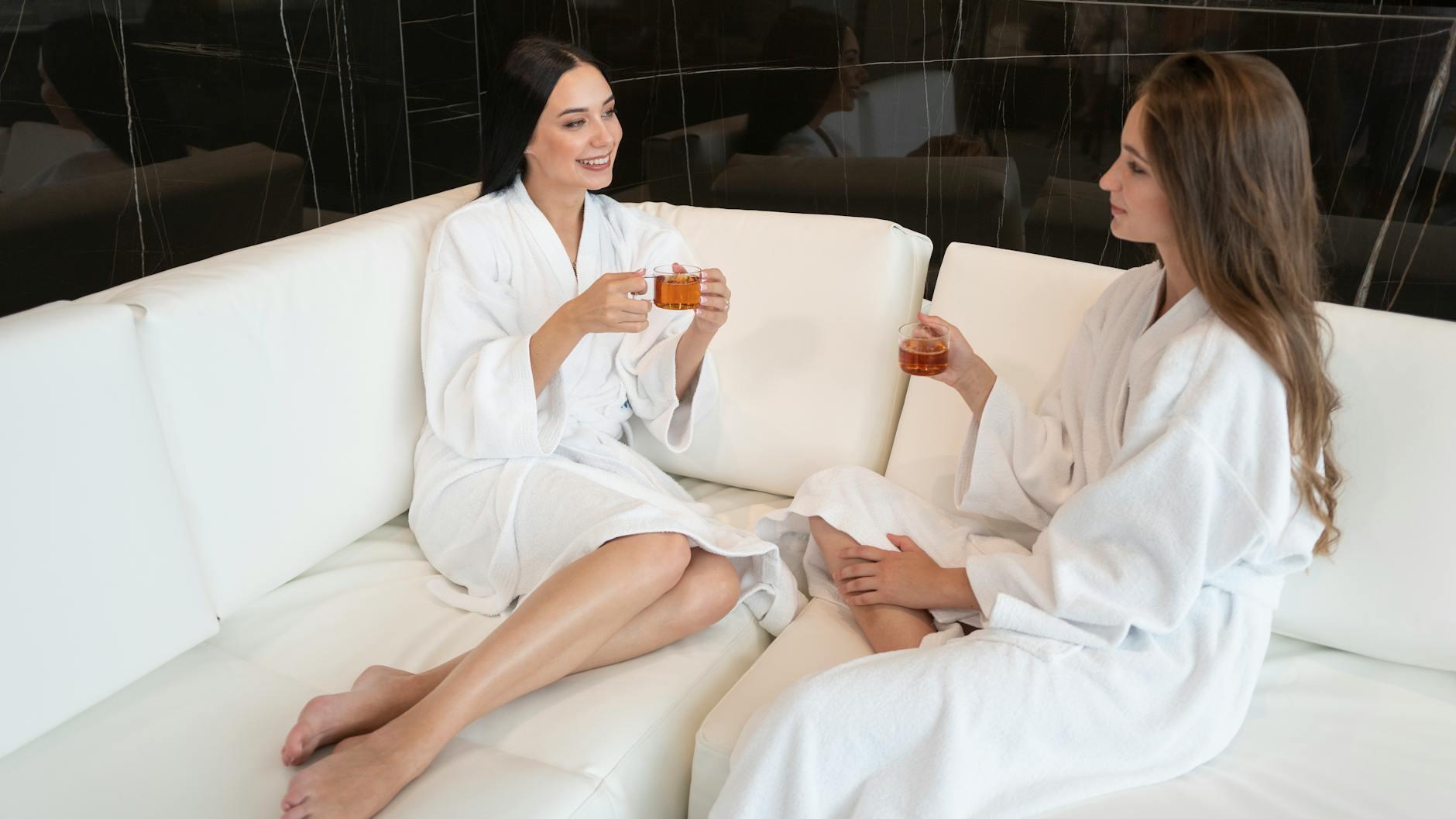
Why float, sauna and massage work better together
Why float, sauna and massage work better together

One booking, three modalities, a different kind of result
Any one of float, sauna or massage on its own is genuinely useful. Stack them in the same session and the result is something different in kind, not just degree.
There’s a reason the same recovery stack keeps showing up in elite athletic settings, in chronic pain clinics, and increasingly in wellness centres that take their job seriously. The body responds to the combination differently to the way it responds to any one of them in isolation.
Here’s why.
The case for stacking float, sauna and massage
Each modality affects a different system. Float works the nervous system. Sauna works circulation, heart and tissue temperature. Massage works the muscles and connective tissue directly. Done in sequence, each one prepares the body for the next.
Done as separate visits across separate weeks, you still get the benefit of each. But the body is starting from baseline each time. Tight muscles, default cortisol, normal tissue temperature. The therapist can only get so deep before your body resists. The float is harder to drop into when your nervous system is already wound up. The sauna feels more like a cooking session than a recovery one.
Done in one visit, in the right order, each modality leverages the one before it. The total time investment is less than three separate appointments. The total benefit is more.
What each modality does on its own
A quick recap before getting to the combination.
Floating drops cortisol, decompresses the spine, and shifts the autonomic nervous system out of fight-or-flight. The mechanism is sensory deprivation. Without input to process, the brain stops scanning. The vagus nerve gets a chance to do its job. Our piece on what the float research actually shows goes into the evidence.
The infrared sauna raises core temperature, drives vasodilation, and triggers heat shock proteins that protect cells under stress. The lower air temperature compared to a Finnish sauna lets you stay long enough to actually warm tissue through, which is what your body needs from the heat step. Full breakdown in our infrared vs traditional sauna piece.
Massage works on tissue directly. Trigger point release, fascia mobilisation, blood flow into specific muscle groups. It also activates the parasympathetic side of the nervous system, which is why people fall asleep on the table.
Different inputs. Different systems. Different outputs.
Why the combination works
Cortisol is what holds muscle tight. Float drops cortisol. So tissue is already softer when you get on the table.
Tissue is dramatically more responsive to manual work when it’s warm. Sauna raises tissue temperature. So the therapist can do deeper work with less discomfort. Our guide to combining sauna and massage covers this physiology in more detail.
Massage with pre-warmed, pre-relaxed tissue isn’t a slightly better massage. It’s a different category of session. Knots that wouldn’t release in isolation give way. The therapist can spend less time warming the tissue up and more time on the work that matters.
The cumulative effect on the nervous system is parasympathetic dominance for hours afterwards. Most people sleep deeper that night than they have in weeks.
The optimal sequence
Float first. Sauna second. Massage last.
The logic: nervous system before tissue before manual work.
Float resets your baseline. You arrive on the table calmer than you’ve been in weeks. Sauna prepares the tissue. By the time the therapist starts, the muscle is warm, the fascia is pliable, the cortisol is low. Massage does the deepest work, takes longest to recover from, and benefits most from what came before.
A 60-minute float, a 25-minute sauna, and a 60-minute massage adds up to roughly three hours with showers and rest in between. That’s a half-day commitment. For people working through chronic stress, chronic pain, or the aftermath of a hard training block, those three hours do work that no individual session can match.
Reverse the order and you still get benefits, but the sequence above gets the most out of each modality. The float-first rule matters specifically because doing it after a sauna leaves your body too warm — the skin-temperature float pool then feels cold rather than ambient, which ruins the floating sensation.
Different goals, different stacks
Not everyone needs the full stack every time.
For stress and burnout
Lead with float. Sauna is optional, massage is a bonus. The work is on the nervous system.
For athletic recovery
Lead with sauna and massage. Float is the recovery anchor on a rest day. The work is on tissue and circulation. Our recovery guide for runners goes into the specifics.
For chronic pain
The full stack regularly is the answer. Each modality contributes something the others can’t. Consistency is what changes the picture.
For sleep issues
Float plus sauna is enough. Less massage, unless tension is the driver of the wakefulness.
For anxiety
Float-led, with sauna and massage as adjuncts. Float does the most direct work on the underlying nervous system pattern.
The honest evidence picture
Each modality has its own evidence base. Float for stress and anxiety. Sauna for cardiovascular health and longevity. Massage for muscle recovery and pain. The research on each is reasonable.
The combination specifically isn’t well-studied in randomised controlled trials. There aren’t large studies comparing the stack to any single modality. What there is, is clinical experience, the physiological reasoning above, and a remarkably consistent lived experience from people who do it regularly.
Take the evidence honestly. The combination isn’t proven in the way that, say, sauna’s effect on cardiovascular mortality is proven. But the mechanism makes sense, the components are individually well-evidenced, and the experience is consistent enough across very different people to take seriously.
The practical case
Most people don’t have time to visit three different venues across three different weeks. The standard pattern is: book a massage when something hurts, never get round to the float, mean to try the sauna at some point, and end up doing none of it consistently.
Multi-modality places make consistency easier. One booking, one visit, one travel time. The stack happens because the friction is removed.
There’s also a membership economic angle. A combination pass at one venue tends to cost less per session than three separate single bookings at three places. Over a year, the maths is meaningful.
Why being was built this way
The team behind being looked at the wellness scene in St Albans and saw a depth of specialists. Good yoga studios. Strong independent massage therapists. Decent gym saunas. What was missing was a single venue where you could combine.
The space was designed around the combination. The flow goes shower, float, recovery lounge, sauna, massage room, recovery lounge again. You don’t get rushed. You don’t have to leave a robe on a hook in one venue and drive across town to the next. The booking is unified, so a float-and-sauna or a full stack is one transaction. For the wider picture of how it fits into St Albans, see our guide to the best wellness experiences in St Albans.
The under-one-roof model is the actual market gap. Most wellness venues specialise. being combines.
A typical combination booking
A 90-minute combination is usually float plus sauna, or sauna plus massage. Two modalities, one visit.
A two-hour booking adds a short massage onto the float plus sauna combination. Useful if you’ve got specific tension to address.
A three-hour full stack is float plus sauna plus a 60-minute massage. The deep version. Best done when you’ve got the time and the body is asking for it.
Try the combination
Single sessions are still useful. Plenty of people start with just a float, or just a massage, and discover what one modality can do.
The combination is what happens once you’ve felt the difference each one makes individually. At that point, putting them together is the next step.
Book a combination at being and see what the stack actually does. Open pool float, infrared sauna, and massage rooms staffed by therapists who’ll adapt to what your body’s bringing in.
One booking. Three modalities. The deepest rest most people have had in years.
FAQs
What’s the best order for float, sauna and massage?
Float first, sauna second, massage last. Float drops cortisol and resets the nervous system. Sauna then warms the tissue. Massage does the manual work on tissue that’s now both warm and unguarded. The float-first rule is non-negotiable — coming out of a hot sauna into a skin-temperature float pool makes the water feel cold rather than ambient, which ruins the floating sensation.
How long does a full float, sauna and massage session take?
Around three hours door to door for a 60-minute float + 25-minute sauna + 60-minute massage, including showers, buffer time and a short recovery sit. It’s a half-day commitment, which is part of the point — it’s not a session you fit between meetings.
Is combining float, sauna and massage worth the time?
For most people, yes — once they’ve tried each modality individually first. The stack produces a meaningfully different result from any single session, and the cumulative effect on the nervous system lasts hours longer than a stand-alone version of any one of them. Worth the half-day commitment when your body is asking for the deeper reset.
Can I do a shorter combination instead of the full stack?
Yes. The most common two-modality combinations are float + sauna (around 90 minutes) or sauna + massage (around 1 hour 30 to 2 hours). Both produce a meaningfully different result from any single modality on its own, without the three-hour commitment of the full stack.
How often should I do the full float, sauna and massage stack?
Most people benefit from doing the full stack monthly, with single-modality sessions in between. Athletes in heavy training blocks might do the full stack fortnightly during peak weeks. People dealing with chronic pain or burnout sometimes do it weekly for a stretch and then taper. Consistency matters more than frequency.
What should I do between the float and the sauna?
Shower the salt off, drink water, change into something dry. Allow 10 to 15 minutes. Don’t rush. The buffer is part of the design — your nervous system finishes settling from the float before the heat starts.
Is the combination safe?
For most people with no specific medical conditions, yes. Drink water between modalities, don’t rush, and tell your therapist what came before so they can adjust pressure if needed. Specific situations need GP signoff for one or more parts of the stack: cardiovascular disease, low blood pressure, pregnancy, recent surgery, severe skin conditions, or first-trimester pregnancy. When in doubt, ask.