


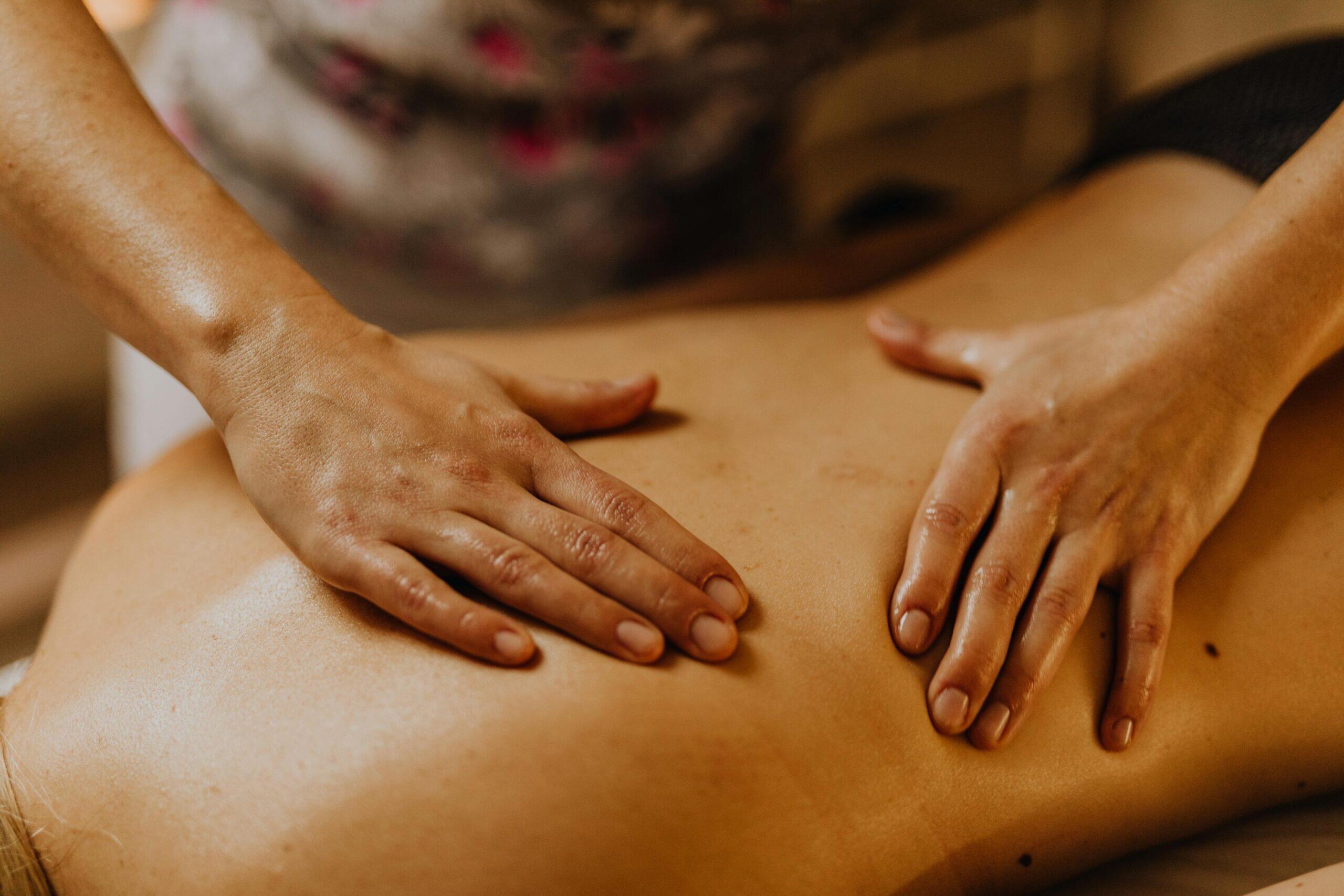
The best massage for back pain: a practical guide
The best massage for back pain: a practical guide
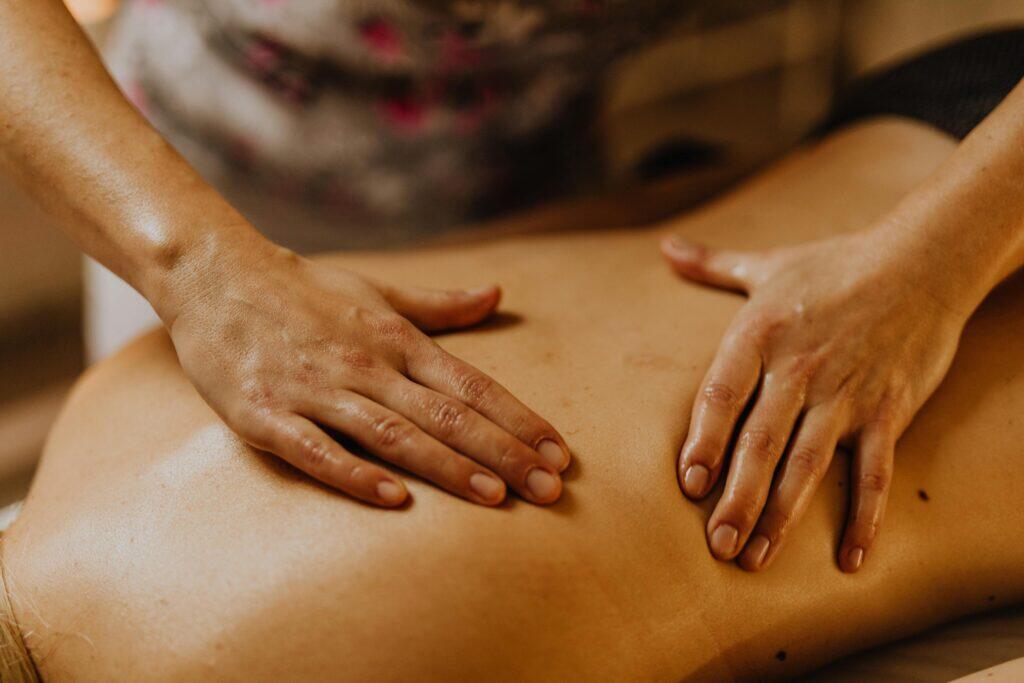
Back pain is everywhere, and most people are treating it wrong
Roughly 80% of UK adults will deal with back pain at some point. Most reach for ibuprofen, a heat pack, maybe a foam roller pulled out of the cupboard. Far fewer try the thing that actually works better for a lot of people: proper hands-on massage from someone who knows what they’re doing.
This is a practical guide to which type of massage helps which type of back pain, what to expect, and how often to come.
A quick note before we start. This isn’t medical advice. If your pain came on suddenly and severely, or you’ve got numbness, weakness in your legs, or any change in bladder or bowel function, see a GP first. Massage is brilliant for the muscular and stress-driven side of back pain. It is not the right answer for a possible disc injury or anything that looks neurological.
The two kinds of back pain that massage genuinely helps with
Most back pain falls into one of two camps, and they often overlap.
Mechanical or muscular pain. Tight muscles, postural strain, knots that have built up over months. The kind of stiffness that wakes you up at 4am because you’ve been sleeping on it wrong. If you’re a desk worker, a driver, or a parent lifting toddlers, this is your category.
Stress-driven pain. Your nervous system is stuck in a low-grade fight-or-flight pattern, your muscles never fully switch off, and the lower back or shoulders end up holding the tension. The pain is real. The cause sits upstream.
Most people walking through the door have a mix of both.
What massage does for back pain, and what it doesn’t
A good back massage:
- Increases blood flow to the muscles, which speeds up the body’s own repair process
- Releases trigger points, the small, exquisitely tender knots that can refer pain elsewhere
- Reduces muscle guarding, the protective tightening your body does around something sore
- Calms the nervous system, which on its own can drop pain levels
- Improves how a tight area moves, which often unlocks pain that was caused by stuck movement, not damage
What it doesn’t do:
- Fix a herniated disc directly
- Rearrange your spine. Anything claiming to do that should be treated with healthy scepticism.
- Replace strength work or movement habits over the long term
Massage handles the muscular and nervous-system layers. The structural and lifestyle layers need other tools alongside it.
Matching the right type of massage to the right kind of back pain
Not all massage is the same, and walking in and asking for “a back massage” doesn’t tell your therapist nearly enough. A rough map:
Muscle tension and knots
Deep tissue with trigger-point work. Slower, deeper pressure into the specific spots that are referring pain. It can ache during the session; the relief usually shows up the next day.
General postural stiffness (the desk-worker pattern)
A mix of Swedish and deep tissue. Broad strokes to warm everything up first, then targeted work into the upper traps, the muscles between the shoulder blades, and the lower back.
Sciatica or radiating leg pain
Careful, targeted work through the glutes (especially piriformis) and lower back. Pressure has to be intelligent here. Heavy-handed work over an irritated nerve makes things worse, not better. Tell your therapist exactly where the pain travels.
Chronic, long-running back pain
Regular sessions rather than one-offs. Often best paired with float therapy, because chronic pain has a stress and nervous-system component that needs more than just hands.
Stress-related back pain
Swedish-style work that prioritises calming the nervous system over digging into knots. Slower, longer strokes. The muscles release because the brain finally gets the signal that it’s safe to.
The desk-worker pattern
This is the most common pattern that comes through any massage room in the country, and it’s probably you reading this.
Eight hours sitting. Shoulders rolled forward. Neck pushed in front of the body to read a screen. Hip flexors shortened. Glutes switched off because they haven’t been asked to do anything in hours. Lower back doing the work the glutes should be doing.
The result: tight upper traps and neck, a locked-up thoracic spine that won’t rotate, a stiff lower back, and a sneaking suspicion you’re “getting old” when really you’re just under-loaded and over-sat.
A good massage for this pattern works from a few angles:
- Releases the upper traps and the muscles between the shoulder blades
- Mobilises the thoracic spine so it actually rotates again
- Works the lower back, but also the glutes and hip flexors that are driving most of the lower-back tension
- Often spends time on the chest and front of the shoulders, because tight pecs are pulling everything forward
If your therapist only works the spot that hurts, you’re getting half a job.
The runner and lifter pattern
A different shape entirely. Strong, well-trained, but with predictable hot spots: tight quadratus lumborum (the slab of muscle on either side of the lower spine), tight hip flexors from repetitive flexion, and a piriformis that’s gone rigid from impact and mileage.
Sports massage is the right call here. Firmer pressure, more direct work into the problem areas, often with passive stretching built in. The goal is performance and recovery, not pure relaxation.
Why lower back pain is almost never just the lower back
Walk into any half-decent therapy room with low back pain and a thoughtful therapist will start working the front of your body. Hip flexors. Quads. Maybe the abdomen. They’re not lost — they’re chasing the actual cause.
Tight hip flexors tip the pelvis forward, which compresses the lower back. Weak or sleepy glutes mean the lower back muscles are trying to do hip-extension work they were never designed for. The lower back is loud because it’s the muscle that’s overworked, not because it’s the muscle that’s broken.
If you book a 30-minute back massage, you’ll get relief that lasts a day or two. If you book a longer session and your therapist works the whole pattern, the relief tends to last properly.
How often to book a massage for back pain
The question we get asked most. Honest answer depends on what you’re dealing with.
- Acute flare: two or three sessions in close succession (every few days), then taper off as the muscle settles. Trying to fix an angry, locked-up back with a single session is asking too much of one massage.
- Chronic, ongoing back pain: fortnightly maintenance. The body learns the relaxed pattern, and stress doesn’t have time to fully reset between visits.
- Stress-driven back pain: pair the massage with something that addresses the stress directly. Float therapy, breathwork, decent sleep. Massage alone tends to disappoint here, because as soon as life turns the volume back up, the muscles tighten again.
Pairing massage with floatation therapy
One of the better-kept secrets in recovery, and worth its own section.
A float pool holds roughly 500kg of Epsom salt dissolved in skin-temperature water. You float on the surface, weightless, with no pressure on the spine for an hour. Magnesium in the salt is absorbed through the skin. Your nervous system drops into a state most people don’t reach outside of deep sleep.
Pair it with massage and you get something neither does alone. Float first, then massage — your muscles arrive on the table already softer, your nervous system already calmer, and the therapist can do deeper work without your body fighting it. A lot of regular floaters with chronic back pain end up describing the float-then-massage stack as the only thing that’s properly worked. Worth a try.
What to tell your therapist before the session starts
Five minutes of useful information at the start of a session is worth more than a guess. Walk in with:
- Where the pain is. Be specific. “Lower right back, just above the hip” beats “my back”.
- When it started, and what you were doing. Recent injury, slow build-up, recurring flare?
- What makes it worse and what makes it better. Sitting, standing, sleeping, walking, heat, cold?
- What you’ve already tried, including the foam roller in the cupboard.
- Your pressure preference. Firm, medium, light. Therapists would rather know upfront than guess.
- Anything they need to avoid. Recent injuries, surgeries, pregnancy, conditions.
The more they know in the first three minutes, the better the next sixty are going to feel.
Book a back-focused massage at being
The massage room at being is built for this kind of work. Proper time on the table, therapists trained to find the cause rather than chase the symptom, and the option to pair it with float and infrared sauna under one roof.
Book a massage at being and tell us where the pain is when you arrive.
FAQs
How long should a massage for back pain be?
For a one-off, 60 minutes is the minimum that gives a therapist enough time to work the whole pattern (back, glutes, hip flexors, shoulders) rather than just the spot that hurts. 90 minutes is better if the pain has been going on for a while. 30-minute sessions are useful for maintenance once the underlying pattern is sorted, but they’re not enough to fix an active flare.
Is deep tissue or Swedish massage better for back pain?
It depends on the cause. Mechanical pain from tight muscles and knots responds best to deep tissue with targeted trigger-point work. Stress-driven pain responds better to slower Swedish-style work that calms the nervous system. Most people benefit from a combination — your therapist will judge what each part of your back needs in the moment.
Can massage make back pain worse?
It shouldn’t. A short period of mild soreness for 24 to 48 hours after deep work is normal, the same way you’d be sore after an unfamiliar workout. Sharp pain, pain that’s worse than what you came in with, or pain that radiates into your leg in a new way is a sign the work was too aggressive — or that something other than muscle was the cause. Tell your therapist immediately if anything feels off during a session.
Should I be sore after a back massage?
A bit, sometimes, especially after deep tissue work on long-standing tension. Day-of looseness, next-day mild soreness, day-after-that proper relief — that’s the usual arc. Drinking water, walking gently, and a warm bath the same evening all help. If soreness is sharp, increasing, or lasts longer than three days, get back in touch.
How quickly will a massage help my back pain?
For acute muscular pain, most people feel substantial relief by the end of the session itself, with a further easing over the next 24 to 48 hours as the muscles fully release. For chronic pain, the first session usually takes the edge off; lasting change tends to come over three to six sessions across a few weeks.
Is massage safe during pregnancy if I have back pain?
Yes, from the second trimester onwards, with a therapist trained in prenatal massage. Pregnancy back pain is one of the most rewarding things to treat — the change can be dramatic. Avoid in the first trimester unless cleared by your midwife.
What if my back pain doesn’t improve after a few sessions?
If you’ve had three or four sessions and the pain isn’t budging, it’s worth investigating other causes. Disc issues, joint problems, or nerve involvement are outside what massage can fix. A GP referral, a physio assessment, or imaging may be the right next step. Massage can still play a supporting role alongside whatever else is going on.