


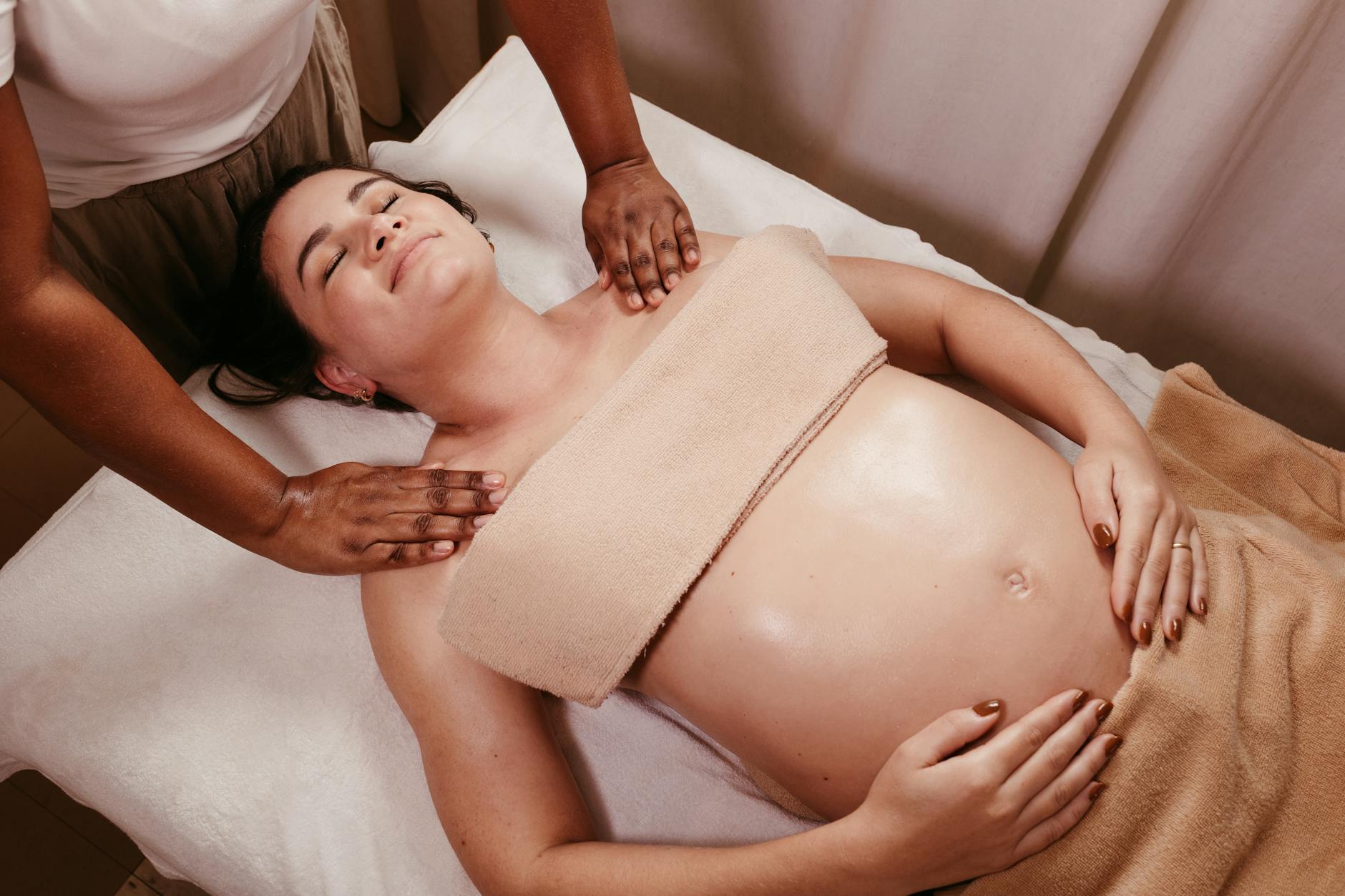
Prenatal massage in St Albans: safe, supportive, professional
Prenatal massage in St Albans: safe, supportive, professional
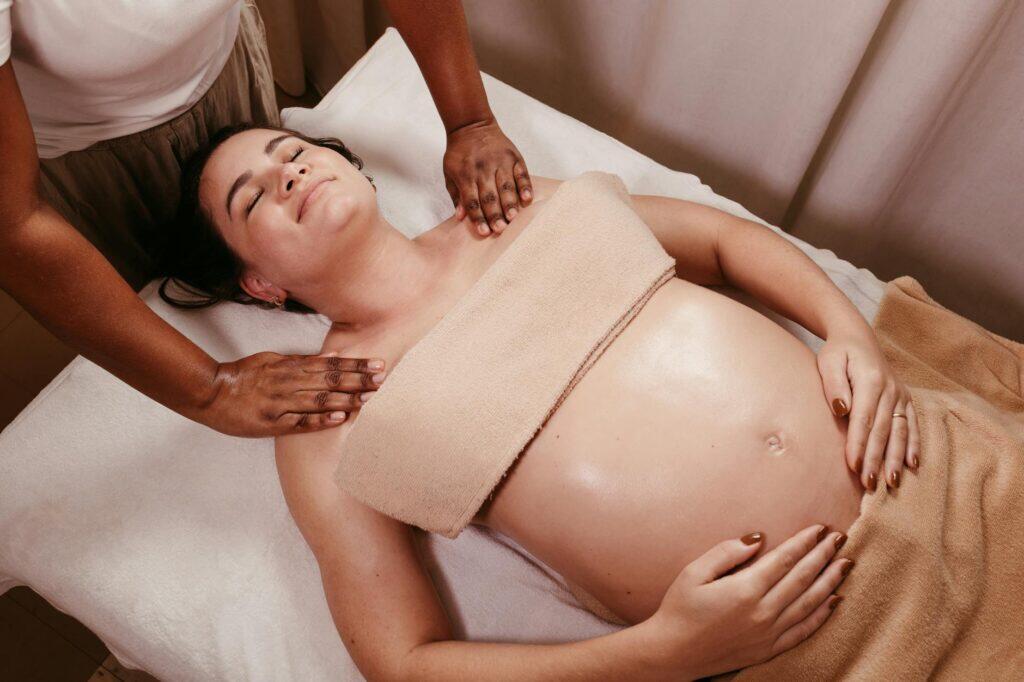
The pregnancy massage your body has been quietly asking for
Pregnancy is physically demanding in ways nobody really prepares you for. The lower back protests under a shifted centre of gravity. The hips loosen and complain. Shoulders carry tension that builds week by week. Sleep fragments. By the third trimester, even simple things — putting on shoes, getting comfortable on the sofa — become small daily negotiations with your own body.
Massage can help with a lot of this. But only if it’s done right. Prenatal massage isn’t ordinary massage adapted on the fly. It’s a specialised type of bodywork with its own rules, positioning and contraindications, and choosing a properly trained therapist matters more here than anywhere else on the wellness menu.
This is a practical guide for anyone in St Albans or the surrounding area thinking about pregnancy massage. What it actually is, when it’s safe, when it isn’t, and what to look for in a therapist.
What pregnancy massage actually is
Prenatal massage uses many of the same techniques as a standard Swedish or therapeutic massage, but with a number of important differences.
Positioning is the most obvious one. From around 16 weeks, lying flat on your back for an extended period isn’t recommended because the weight of the uterus can compress the inferior vena cava and affect blood flow. So pregnancy massage is done side-lying, supported by bolsters and pillows, or in a semi-reclined position. A good therapist will spend time getting the supports right before they start any actual massage work.
Pressure is modified. Joints are more mobile in pregnancy because of relaxin, the hormone that softens connective tissue ahead of birth. Deep tissue work that would be fine on a non-pregnant body can be too much for tissue that’s already loose. Pressure is generally lighter and more deliberate.
Certain pressure points are avoided. There’s a body of traditional acupressure thinking that some points (around the ankles, hands and lower back) can stimulate uterine activity. The clinical evidence is genuinely mixed, but reputable therapists err on the side of caution and avoid these points throughout pregnancy.
Deep abdominal work is off the table. Light, soothing strokes on the abdomen are fine if the client wants them. Pressure isn’t.
Lower-leg work is done carefully. Pregnancy slightly raises the risk of deep vein thrombosis, so therapists trained in prenatal work approach the calves differently, using lighter, longer strokes rather than deep flushing or heavy pressure.
When pregnancy massage is safe to start
The honest answer is: once your midwife is happy and you’re past the first trimester.
Most reputable therapists won’t take new pregnancy bookings before 13 weeks. That’s not because there’s strong evidence massage causes harm in the first trimester, but because miscarriage risk is naturally higher in those weeks regardless, and no therapist wants to be the variable a client connects to a loss.
From 13 weeks onwards, in an uncomplicated pregnancy with midwife approval, prenatal massage is generally considered safe. The second trimester is often when it’s most enjoyable — before the body is too heavy to lie comfortably for long.
The third trimester is often where the relief becomes most welcome. Lower back pain, sciatic-type referred pain, swollen feet, hip discomfort and sleep difficulty all build through the final months. A skilled prenatal therapist can take meaningful pressure off all of those.
When pregnancy massage is not recommended
Always check with your midwife or GP first. Massage isn’t appropriate during pregnancy if any of the following apply:
- Pre-eclampsia
- Pregnancy-induced hypertension
- A history of miscarriage or recurrent pregnancy complications
- Any unexplained bleeding or sudden pain
- Placenta previa
- Severe morning sickness still active in late pregnancy
- High-risk pregnancy of any kind without explicit clinical sign-off
- Active deep vein thrombosis or clotting disorders
Gestational diabetes isn’t a contraindication on its own, but liaison with your care team makes sense. The same applies to multiple pregnancies, conditions managed with medication, or anything where your midwife has flagged caution. The NHS pregnancy guidance is a sensible starting point for anything you’re unsure about.
If you’re not sure, ask. A good therapist will want you to ask.
What pregnancy massage actually helps with
The evidence base is reasonable, particularly for musculoskeletal complaints.
- Lower back and pelvic pain (the most common reason people book)
- Sciatic-type pain referring into the buttock or down the leg
- Sleep difficulties, particularly in the third trimester
- Swollen feet and lower legs (where appropriate technique is used)
- Hip and pelvic girdle discomfort
- Tension in the upper back and shoulders from changed posture
- The general physical and mental load of carrying a person
What the evidence is less strong on, but many clients report benefit from anyway, is mood. Pregnancy is emotionally complex even in straightforward cases. An hour of being looked after, in silence, by someone whose entire job is reducing the load you’re carrying, is valuable in ways that don’t always show up in clinical trials.
Choosing a prenatal massage therapist in St Albans
This is where it matters. A good massage therapist isn’t automatically a good prenatal therapist. Specific training is needed, and the difference between someone who has done a weekend course and someone with proper qualifications is real.
What to look for:
- Specific prenatal massage qualification, not just “I do pregnancy massage too”
- Membership of a professional body such as the Federation of Holistic Therapists (FHT) or the Complementary Therapists Association (CTHA), with prenatal listed in their specialisms
- Insurance that explicitly covers prenatal work
- Comfort talking through your stage, any complications, and your midwife’s input
- Willingness to adapt the session as you progress through pregnancy
Don’t be shy about asking. How many pregnant clients do they see in a typical month? Have they worked with people in similar circumstances to yours? Do they have a referral relationship with local midwives or physios?
A good therapist will welcome the conversation. Anyone who seems offended by the questions probably isn’t the right person.
For the broader picture of massage in the city, our complete guide to massage therapy in St Albans goes into the wider local scene.
What to expect at your session
The first session usually starts with a thorough health screening. Expect questions about your due date, any complications, your midwife or consultant’s name, what medications you’re taking, and how you’ve been feeling physically and mentally. Don’t withhold information. Even small things can affect how the session is structured.
You’ll be positioned side-lying with bolsters between your knees, under your bump, and supporting your upper arm. Some therapists offer a reclined option in later pregnancy. Pillows under your head get adjusted until you’re properly supported. This setup matters. If you’re not comfortable, the massage won’t be either.
A 60-minute session is usually the right length. Shorter and the work feels rushed. Longer and the body becomes tired from holding even a supported position.
Pressure is checked early and adjusted throughout. Speak up if anything feels wrong. Pregnancy bodies change quickly, and what worked last month might not feel right this month.
How often to book a pregnancy massage
Once you’ve been cleared and are past the first trimester:
- Monthly through the second trimester is sensible for most pregnancies
- Possibly fortnightly in the third trimester as the body works harder
- More frequently if you’re dealing with a specific complaint, with your therapist’s guidance
Consistency matters more than frequency. A monthly session you actually keep is worth more than a fortnightly plan that drops off after week three.
Postnatal massage
Briefly, because it’s adjacent rather than the same.
After a vaginal birth, most therapists ask you to wait at least six weeks before resuming massage. After a caesarean, twelve weeks is more typical, and you’ll usually need GP or midwife clearance before your first postnatal session.
Postnatal massage is its own category. The body is healing. Hormones are shifting. Sleep is broken. The needs are different from pregnancy massage and the techniques used reflect that. Worth booking when the time comes, but don’t expect it to feel identical to what you had during pregnancy.
Prenatal massage at being
being opens in St Albans in summer 2026, with prenatal massage available as part of our massage menu. Sessions are delivered by therapists with specific pregnancy training, in a private, quiet room with proper bolster and pillow support.
If you’re newly pregnant and looking ahead, joining the waitlist now means you can book in for the second trimester onwards. If you’re already further along and want to sort the next few months, our therapists will work with you on cadence and what to focus on.
Once you’re postnatal, you’re welcome to come back. Massage, sauna and float are all options for recovery, and our team will help you work out what makes sense at each stage.
Book a pregnancy massage at being once your midwife has given you the go-ahead. We’ll take the rest from there.
FAQs
Is prenatal massage safe in St Albans?
Yes, from 13 weeks onwards (the start of the second trimester), with a therapist trained specifically in pregnancy massage and your midwife’s approval. The positioning, pressure and areas to avoid are different to a standard massage, so the training matters. being‘s therapists include practitioners with specific prenatal qualifications.
When can I start pregnancy massage?
Most therapists won’t take new pregnancy bookings before 13 weeks. This isn’t because there’s strong evidence of harm in the first trimester — it’s because miscarriage risk is naturally higher in those weeks regardless. From 13 weeks onwards, in an uncomplicated pregnancy with midwife approval, prenatal massage is generally considered safe.
What does a pregnancy massage involve?
Side-lying or semi-reclined positioning supported by bolsters and pillows, modified pressure (lighter than standard deep tissue), avoidance of specific acupressure points and deep abdominal work, careful handling of the lower legs due to DVT risk. The techniques themselves are largely Swedish-style — long, soothing strokes designed to ease tension without aggressive pressure on tissue that’s already loose from pregnancy hormones.
How often should I get a prenatal massage?
Monthly through the second trimester is sensible for most pregnancies. Fortnightly in the third trimester as the body works harder. More often if you’re dealing with a specific complaint like sciatic-type pain or significant pelvic girdle pain, with your therapist’s guidance.
Can I get a massage in the third trimester?
Yes, and many women find the third trimester is when prenatal massage is most welcome. Lower back pain, sciatic-type referred pain, swollen feet, hip discomfort and sleep difficulty all build through the final months. A skilled prenatal therapist can take meaningful pressure off all of those.
When can I get a postnatal massage?
After a vaginal birth, most therapists ask you to wait at least six weeks before resuming massage. After a caesarean, twelve weeks is more typical, and you’ll usually need GP or midwife clearance before your first postnatal session. The body is healing, hormones are shifting, sleep is broken — postnatal massage uses different techniques than prenatal.
Where in St Albans offers pregnancy massage?
Several established independent therapists in town specialise in prenatal massage, alongside being on Bricket Road, which offers prenatal massage as part of its massage menu. Always check the therapist has specific pregnancy massage training (not just a general remit) and is a member of a professional body with prenatal listed in their specialisms.